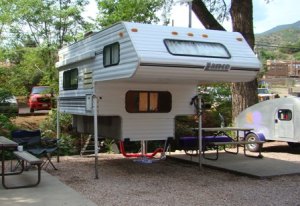
 I have done about every type of camping imaginable. I camped under the stars with nothing but a sleeping bag, I camped in pup tents with the boy scouts, I camped in less than desirable conditions throughout my military career in the Army, and I camped in every type of RV manufactured. As I got older the latter type, with more creature comforts, is by far the best type of camping.
When I sold RVs I remember telling customers once they own an RV with a slide-out it is hard to go back to one with no slide-outs. I should heed my own advice when it comes to downsizing RVs, especially when the RV you downsize to can fit in the living room of your other RV!
Let me start from the beginning. A few years ago I was looking for a camper we could use to film some upcoming video projects. I needed an RV with a metal roof and nobody I knew owned one. I decided to look around on Craigslist and I ran across an ad for a used Lance truck camper. It was priced right, and it was equipped with many of the features I needed for the upcoming video projects. The camper’s size, dry weight & estimated loaded weight worked for my truck at the time so I made the 3-hour trip and brought it home.
It just so happened Dawn’s niece was getting married at the time and I thought it would be fun to take the truck camper from North Carolina to Colorado for the wedding. Tip for a good marriage test: Take 2-adults and 3-dogs on a 3,500 mile cross-country RV trip in an 8 ½ foot truck camper.
I checked all the systems on the camper, fabricated some tie downs to secure it to the truck, carefully loaded it as not to exceed any weight limitations and we headed out on our next great RV adventure.
RV Downsizing Considerations:
One thought I had about taking the truck camper, rather than the motorhome, was saving some money on the cost of fuel. Our motorhome averages 7 ½ miles to a gallon. I thought it would be possible to nearly double that with the truck, but when all was said and done we averaged about 11 miles to a gallon. We did use the truck’s air conditioner for most of the trip which had an impact on the over all miles-per-gallon.
It was definitely more difficult adjusting to a smaller RV after spending so much time in a larger RV. I always liked small RVs, but you need to seriously consider if a smaller RV will suit your specific needs. We usually travel with 2-adults and 3-dogs, so we need a larger RV with enough space to accommodate all the travelers.
In addition to limited interior space like the bathroom, sleeping arrangements, sitting areas and the galley area you also need to consider things like interior and exterior storage, the size of the holding tanks, fresh water storage, and LP gas capacity. When you are accustomed to traveling in an RV with a large shower, a big sofa and a walk-around queen size bed and you switch to a truck camper you can barely take four steps in without bumping into something, it calls for some major adjustments. And although some truck campers are equipped with on-board generators ours was not, so even spending a night in a Walmart parking lot can be more challenging.
That Colorado trip in the Lance truck camper was a fun adventure, and I wouldn’t change a thing, but the moral to the story is to select an RV that is best suited for you, your family and how you travel. Trust me when I say the right RV will make all your RV experiences the best they can be.
During the trip one of our friends saw a Facebook post about the truck camper and replied, “Nice, a traveling man cave!” When Dawn read the response she said, that’s exactly what the Lance truck camper is; it is your traveling man cave when you go to RV shows and business events by yourself.
Sometimes downsizing RVs makes all the sense in the world. I can envision us downsizing at some point in time, but it needs to be practical. For us it would probably mean going from a 36-foot motorhome to say a 26-foot motorhome, but most likely not an 8 ½-foot truck camper.
Happy Camping,
Mark Polk
RV Education 101
http://rveducation101.com/
RV 101® Travel Trailer Ultimate Video & E-book Bundle
https://rvonlinetraining.com/p/travel-trailer-ultimate-e-book-and-video-bundle
RV 101® 5th Wheel Ultimate Video & E-book Bundle
https://rvonlinetraining.com/p/rv-101-5th-wheel-ultimate-video-e-book-bundle
RV 101® Motorhome Ultimate Video & E-book Bundle
https://rvonlinetraining.com/p/rv-101-motorhome-ultimate-video-e-book-bundle
Travel Trailer & 5th Wheel Trailer RV Orientation Video Training Course
https://rvonlinetraining.com/p/rv-101-rv-orientation-for-travel-trailer-s-5th-wheel-trailers
Tow Your Travel Trailer Like a Pro Video Training Course
https://rvonlinetraining.com/p/rv-101-trailer-towing-basics
Tow Your 5th Wheel Like a Pro Complete Online Video Training Course
https://rvonlinetraining.com/p/tow-your-5th-wheel-like-a-pro
Motorhome RV Orientation Video Training Course
https://rvonlinetraining.com/p/motorhome-rv-orientation-video-training-course
Drive Your Motorhome Like A Pro Complete Online Video Training Course
https://rvonlinetraining.com/p/drive-your-motorhome-like-a-pro
RV Care & Preventive Maintenance RV DIY® Online Video Training
https://rvonlinetraining.com/p/rv-101-rv-care-preventive-maintenance-online-video-training
RV Essential Items Video Training Course
https://rvonlinetraining.com/p/rv-essential-items
Winterizing and Storing Your RV Video Training Course
https://rvonlinetraining.com/p/winterizing-and-storing-your-rv-video
Travel Trailer 4 Video Bargain Set Plus Free RV Checklist ebook
https://rvonlinetraining.com/p/travel-trailer-video-bundle
5th Wheel 4 Video Bargain Set Plus Free RV Checklist ebook
https://rvonlinetraining.com/p/5th-wheel-video-bundle
Motorhome 4 Video Bargain Set Plus Free RV Checklist ebook
https://rvonlinetraining.com/p/motorhome-video-bundle
———————–
A Collection of RV Education 101 E-Books – 9 RV E-BOOK BUNDLE SET
https://rvonlinetraining.com/p/a-collection-of-rv-education-101-e-books-9-rv-e-book-bundle-set
An Introduction to RVs E-book Training Course
https://rvonlinetraining.com/p/an-introduction-to-rvs
Insider’s Guide to Buying an RV E-Book Training Course
https://rvonlinetraining.com/p/insider-s-guide-to-buying-an-rv-downloadable-pdf-e-book
Owning & Operating an RV E-Book Training Course
https://rvonlinetraining.com/p/owning-operating-an-rv
The Original Checklists for RVers E-Book Training Course
https://rvonlinetraining.com/p/the-original-checklist-s-for-rvers
RV Campground Basics E-Book Training Course
https://rvonlinetraining.com/p/rv-campground-basics-e-book-course
RV Safety Features, Tips & Tricks E-book Training Course
https://rvonlinetraining.com/p/rv-safety-features-tips-tricks
RV Care & Maintenance E-Book Training Course
https://rvonlinetraining.com/p/rv-care-maintenance-e-book-course
Winterizing & Storing Your RV E-Book Training Course
https://rvonlinetraining.com/p/winterizing-storing-your-rv-e-book
RV Battery Care & Maintenance E-Book Training Course
https://rvonlinetraining.com/p/rv-battery-care-maintenance
Trailer Towing Basics E-Book Training Course
https://rvonlinetraining.com/p/trailer-towing-basics-e-book



 Question: We own a motorhome and my question is; when we are not using it, and this could be for several months at a time, should I start the engine periodically?
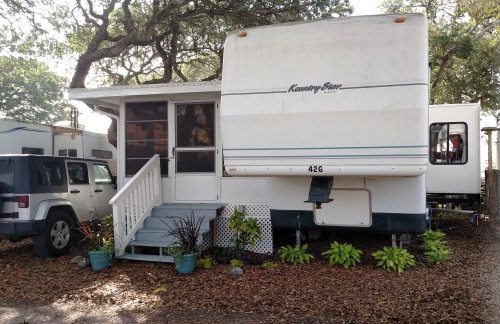 About a year ago we purchased a permanent RV lot at the beach and put a fifth wheel trailer on the lot so we could do some destination type camping. When we started using the camper for a few short weekend trips I noticed our cellular signal and internet connection was spotty at the campsite. We plan to use the camper more often after we get it set up the way we want and a poor cellular signal could be problematic, especially if we stay there during the work week.
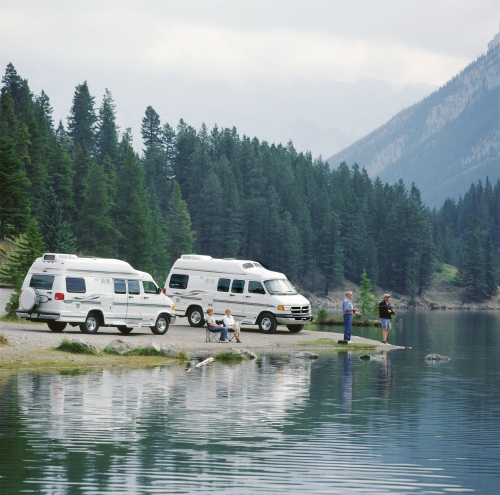
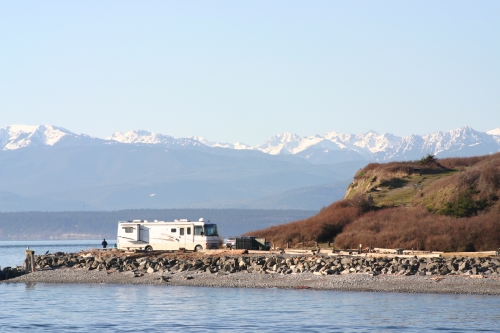
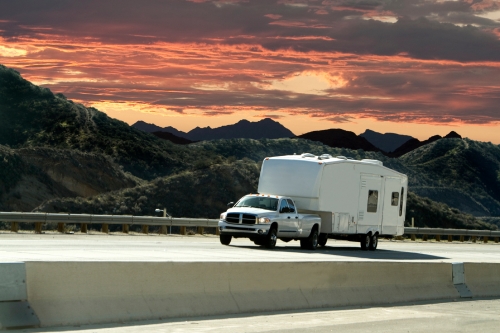
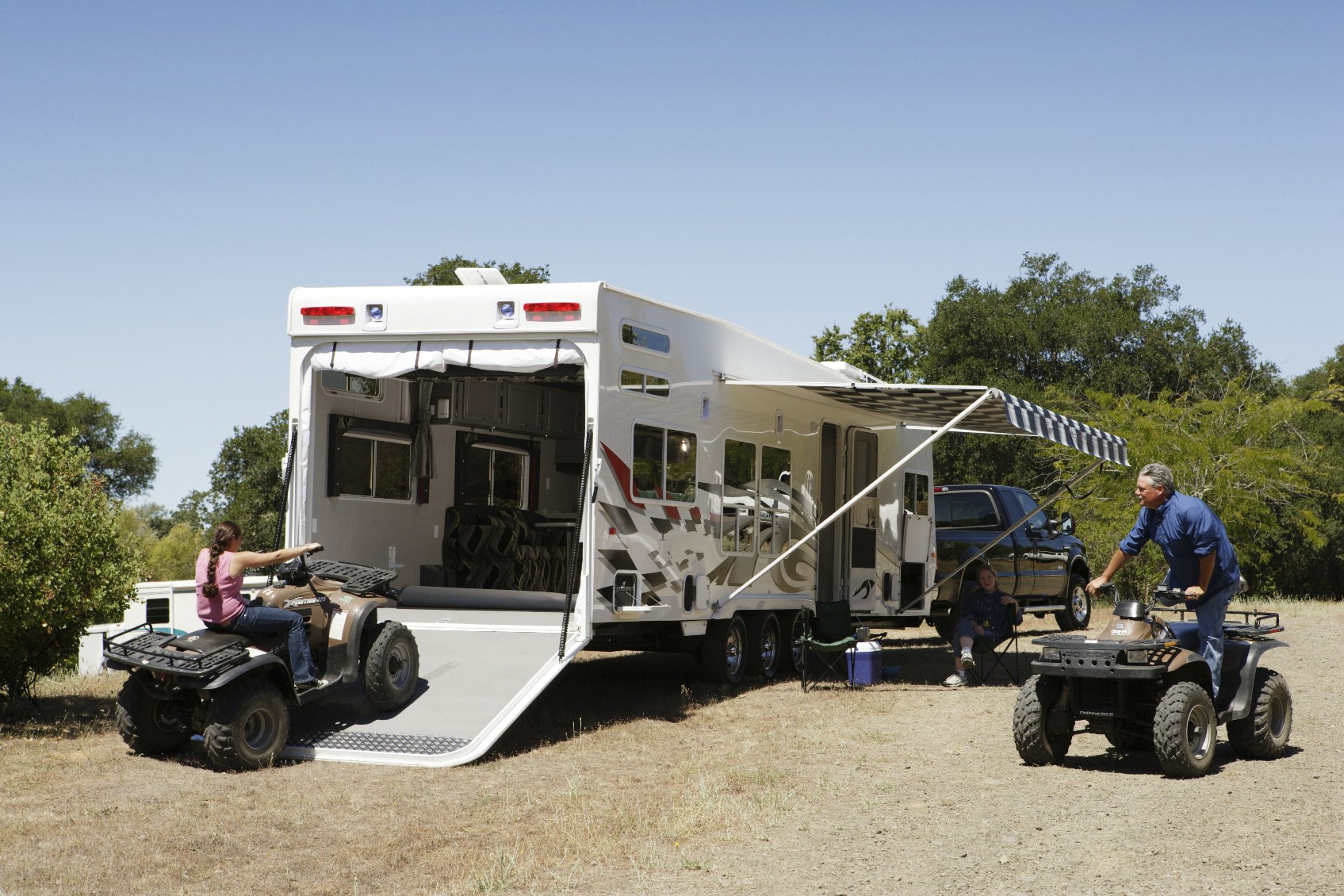
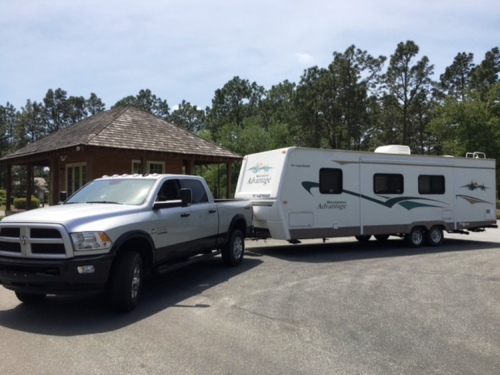
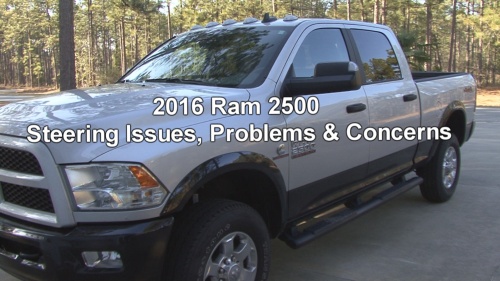 I have been brand loyal to Dodge (Ram) trucks my entire adult life. I have owned seven Dodge trucks, three used and four new. I am now realizing brand loyalty is not always a good thing. Corporations change ownership, things change and it’s not always for the best. When you combine that, with today’s mentality in the workforce, brand loyalty can be extremely frustrating.
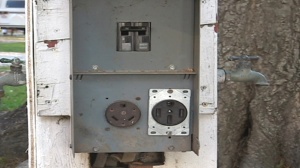
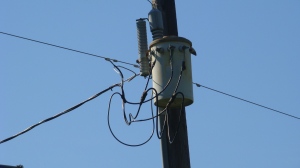 Another problem is, even with proper wiring, your RV’s electrical system is exposed to other dangers at the campground. The quality of electrical service at RV campgrounds changes based on numerous factors, like old electrical connections, how many RVs are using the campground power and the load they are putting on it, faulty wiring and bad weather. Any of these conditions can result in exposing your RV to voltage sags, surges and spikes.
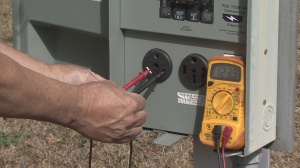 The operating ranges for 120-volt appliances in your RV are 103 volts to 132 volts. If you operate appliances above or below these ranges there is extreme heat build-up. Electric motors, circuit boards and electronics cannot withstand this kind of heat. The bottom line is your RV is equipped with highly sophisticated electronics and expensive appliances that need to be protected against all of these potential threats. Now that we understand what the threats are let’s see what can we do about it?
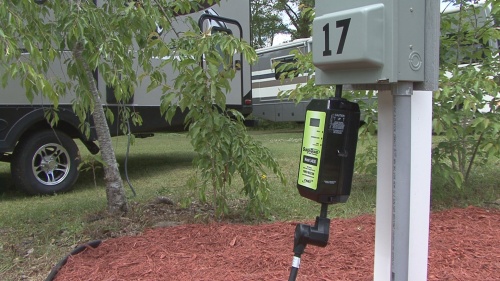
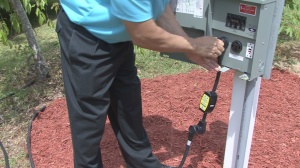 I highly recommend using a surge protector designed to identify and help protect the RV’s entire electrical system from the potential dangers I just discussed. You just plug the surge protector into the campground’s electrical supply, check for any faults indicated, and plug the RV power cord into the opposite end and you are done. But you need the right surge protector for the job. I personally use
 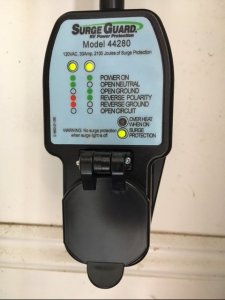 For the sake of an example let’s say you have a travel trailer with a 30 amp electrical system. A very affordable Surge Guard product that provides lots of features would be Model 44280. It is 120-volts, 30 amps with a 2100 Joule rating.
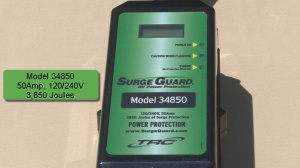 That’s a lot of bang for the buck! There is an entire family of Surge Guard products available for any size or type of RV. You can choose a portable model or hard-wire a unit into the RVs electrical system. There are numerous features available depending on the model
 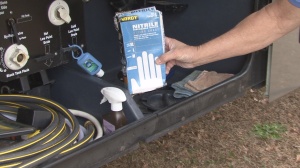 #9-Disposable Gloves
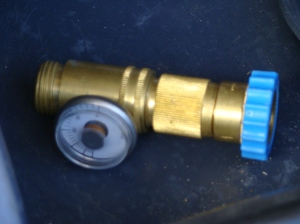 #8-Water Regulator
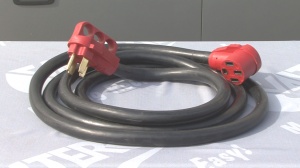 #7-RV Extension Cord
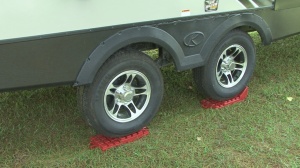 #6-Stackable Leveling Blocks
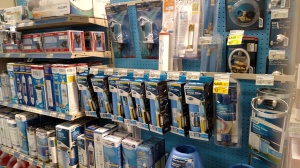 #5-Water Filtration
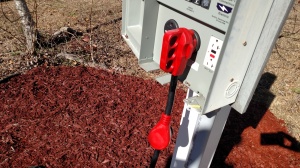 #4-Electrical Adapters
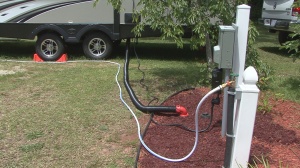 #3- RV Drinking Water Hoses & Regular Garden Hose
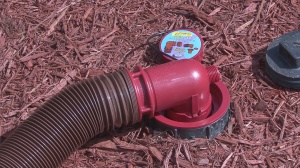 #2-RV Sewer Hoses & Adapters
 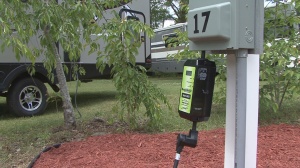 #1-Surge Protector for the RV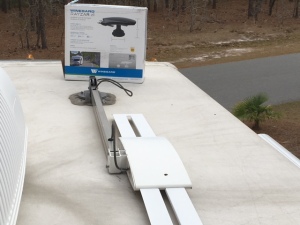
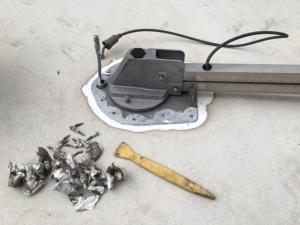 The first step was to remove the old antenna. I use a plastic scraping tool to remove the old sealant and access the mounting screws. Whenever you remove old sealant from a rubber roof be extremely careful not to tear the rubber roofing. Remove all of the sealant and the mounting screws, but do not attempt to remove the antenna before you remove the antenna handle on the inside of the RV.
 Go inside the RV and remove the old antenna handle. Remove the Allen screw from the handle using the correct size Allen wrench. After the handle is removed the entire assembly can be removed from the ceiling.
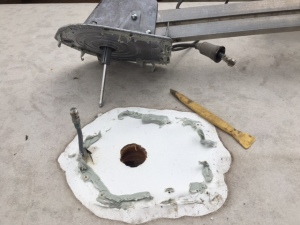 Go back on the roof to remove the old antenna. Disconnect the coax cable and carefully separate the antenna from the roof. In most cases there will be putty tape under the antenna base. I use the plastic scraping tool to work around the base releasing the old sealant. Try not to tear the roofing material. After the antenna is removed clean any remaining sealant that was under the antenna base. As a final step I like to clean the roof surface with some denatured alcohol on a rag. Do not pour the alcohol directly on the roof surface.
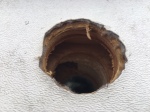 If this was a new installation this is where you would select a location for the new antenna and drill a hole through the roof. Since I am replacing the existing antenna the hole is already there.
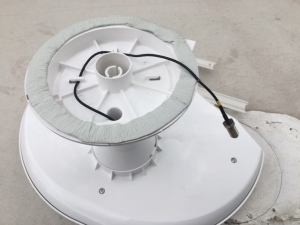 The instructions state to position the antenna in the hole with the arrow on the base plate facing the front of the RV, and draw an outline around the antenna base. The outline is used so you can apply an approved sealant around the inside surface of the line to seal the antenna base to the roof when it is installed. I prefer to apply the sealant directly on the antenna base so I know the screw holes are covered and I will get a good seal.
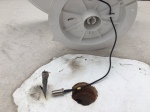 Connect the coax cable from the RV to the coax on the new antenna following the instructions. Position the antenna on the roof with the arrow at the base of the antenna facing the front of the RV.
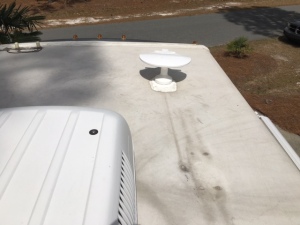 There are screws provided to secure the antenna to the roof. I tighten the screws until I start to see the butyl tape ooze out around the edges. Remove any exposed butyl tape and apply an approved sealant over the screw heads and around the base of the antenna. This antenna has a smaller footprint than the original antenna so there were two existing screw holes in the roof that were not covered by the new antenna base. I added some sealant over the screw holes and as a precautionary measure I will add some roof sealing tape over the sealant after it cures.
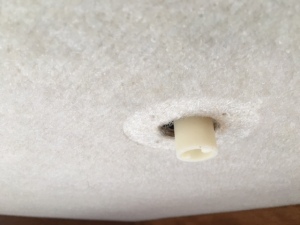 You are finished on the roof. The remainder of the installation is done inside the RV. Install the plastic extrusion in the hole and rotate it until the keys line up with the bottom of the antenna. With the keys aligned push the extrusion up until it bottoms out. Check to make sure the antenna rotates and follow the instructions to cut the extrusion to the proper length for your ceiling.
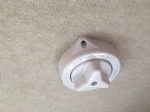 Follow the instructions to assemble the new handle and install the handle using the screws provided. Test the operation of the handle by pushing up on the handle and rotating it in either direction. The antenna on the roof should rotate as the handle is turned.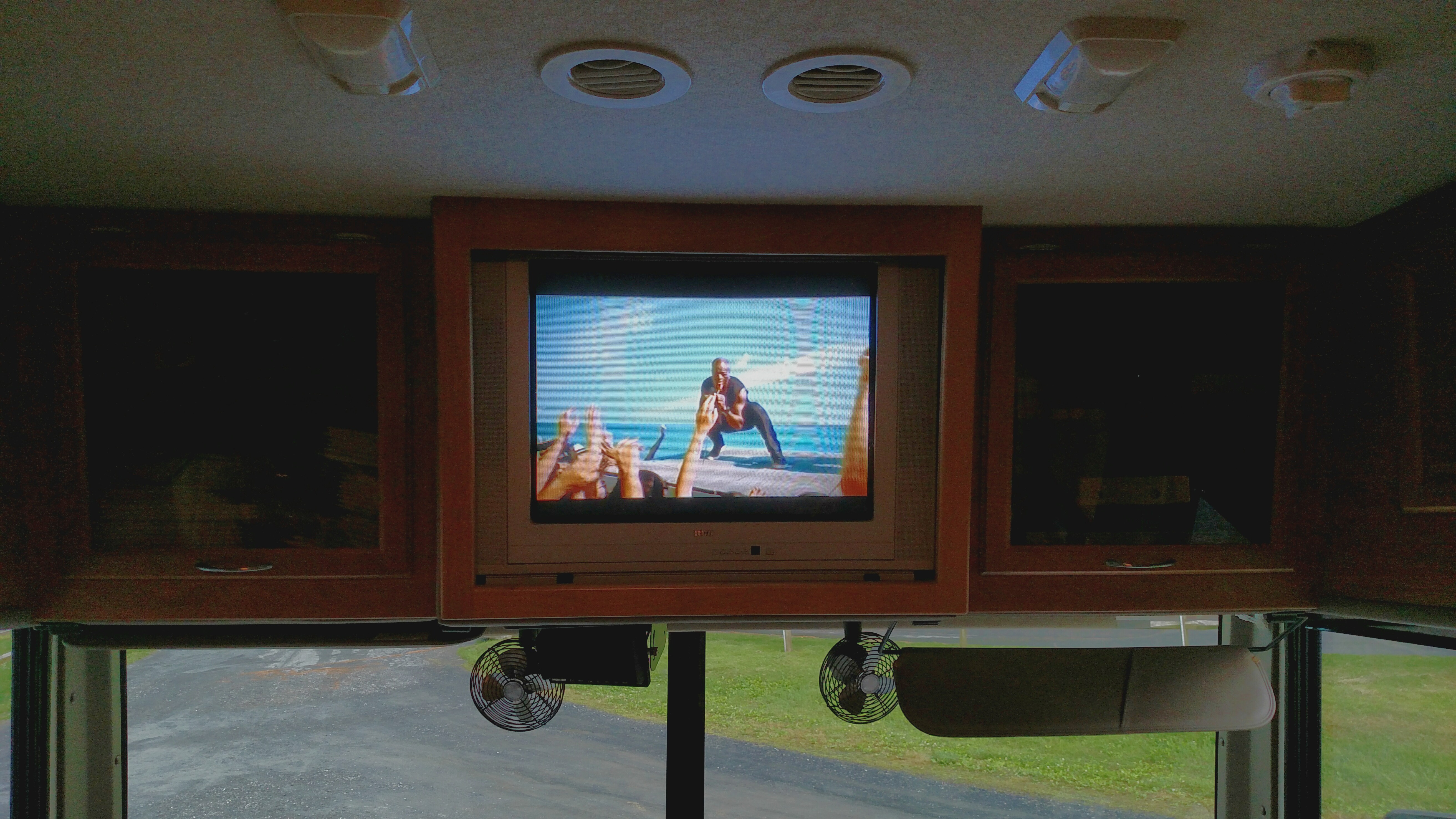

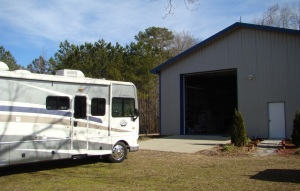 Is your RV ready for the upcoming camping season?
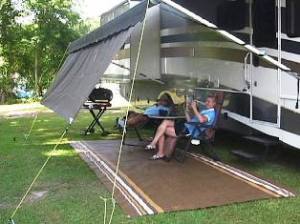 Awnings are a great feature to have on your RV. There are several different types of RV awnings and they serve different purposes. There are window and door awnings that provide shade and keep rain away from your RV windows or entry door. There are slide-out awnings that protect the slide-out roof from debris and water. And there are patio awnings. Patio awnings extend the living area of our outdoor world. Similar to the front porch of your home, the patio awning provides us with shade and cover from a light rain when we want to sit and enjoy the great outdoors.
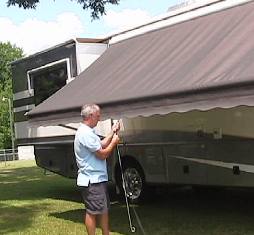 Some awnings have an aluminum or vinyl wrap-around weather guard that protects the awning fabric when it’s in the travel position. When you open the awning for the first time each year, or if it has been stored for a while, you will need to inspect the awning fabric for any signs of mildew or stains. Remember vinyl awnings will mildew. To prevent dirt from embedding into the woven fabric of an acrylic awning fabric you should simply hose the fabric off on a monthly basis. Avoid scrubbing acrylic awning fabric. Scrubbing can remove the water retardant finish. For stubborn stains blot the approved cleaner on the acrylic fabric with a sponge or soft cloth.
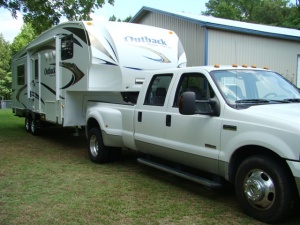 When you are getting ready to take a trip in your RV there are lots of things that need to be done. Planning the trip itself can be overwhelming. Travel guides, magazines, state tourism boards and Internet sites offer valuable information to help you plan your next RV trip. To help make planning your trips a little easier I wrote this trip planning checklist. This is an excerpt from my

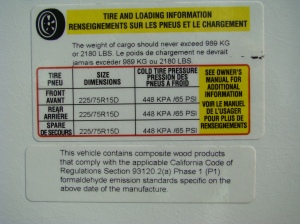 Question: Can you tell me the correct pressure to inflate my RV tires to prior to taking a road trip? My travel trailer tires show a max psi of 70lbs on the tire’s sidewall. I can’t seem to get a straight answer from our local shops, and I want to make sure I don’t overheat or damage them. Thanks for any information you can provide.
 Welcome back to another edition of RV Consumer E-Magazine. In this cold weather issue Mark discusses important topics like winterizing your RV, cold weather maintenance and RV storage. This issue also features a fall and winter camping tips article and three RV videos of the month.
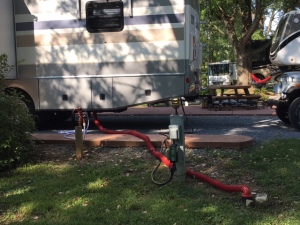 Have you ever arrived at your camping destination only to realize the RV sewer hose wasn’t long enough to reach the sewer drain outlet? I think this happens to most of us eventually. To help solve the problem I recommend keeping some RV sewer extension hoses on hand in the RV.
 In our special RV 2017 edition of RV Consumer e-Magazine take an inside look at new 2017 RV makes and models inside America’s largest RV Show with Mark Polk. Read Mark’s interview with John Serro’s grandson about the new vintage style Serro Scotty trailer line being reintroduced in 2017, and read a review on Dometic’s new dual zone portable refrigerator/freezer that can refrigerate and freeze food at the same time.Get all of this and more in this issue of RV Consumer e-Magazine.

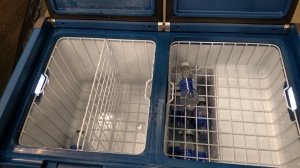 We started with a smaller portable unit and when our needs changed we checked out the new CFX-95DZUS Dual-Zone Portable Refrigerator & Freezer. It is loaded with features and options, but the most unique feature is the separate compartments so you can refrigerate and freeze at the same time. One compartment is 54 liters and the other compartment is 40.5 liters for a total storage capacity of 94.5 liters. The dual-zone feature is available in the CFX-65DZUS and CFX-95DZUS models. On the CFX-95DZUS model you can set either compartment anywhere from -8 degrees F to +50 degrees F so you can make either the 54 Liter side or the 40.5 liter side freeze or refrigerate (or both sides freeze or both sides refrigerate).
 It comes with removable wire baskets for easy loading & cleaning. The CFX-95DZUS holds 117 12-oz. cans so keeping your kids entire sports team hydrated, or keeping beverages cold for an outdoor party is easy. It also features a dairy compartment for perishables.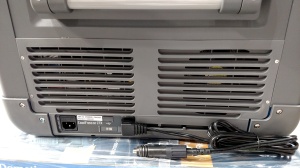
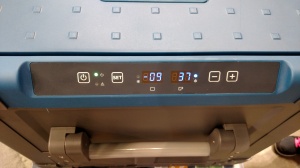 The features don’t stop there. When it is turned on you will notice a digital temperature display and a soft-touch control panel. The temperature an be set from -8°F to +50°F (-22°C to +10°C). The memory feature maintains presets if the system is turned off and there is a quick-chill turbo feature too.
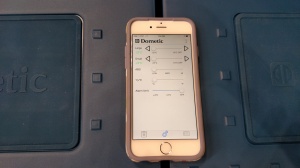 The CFX-95DZUS model also has an iOS & Android app to control the portable cooler functions with your smartphone. I mentioned earlier that these portable refrigerator freezers are great for RV trips, back yard BBQs, sporting events, camping and tailgating. If you are active and on-the-go and need to keep food and drinks cold or frozen check out these versatile
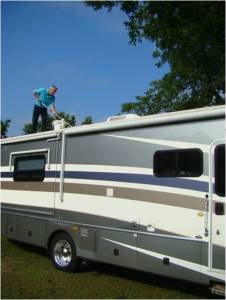 Whenever I discuss RV roof care and maintenance I like to start with the basics, washing the RV roof.
 Welcome back to another issue of
 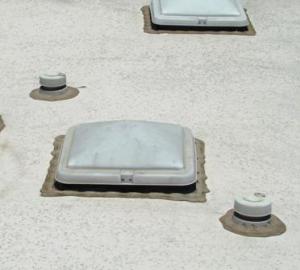 It’s important you know what type of RV roof you have so you can properly clean and maintain the roof. For the most part there are two categories RV synthetic roofs fall into:
 Welcome back to another edition of


 RV 101® / RV Education 101®
You must be logged in to post a comment.